Data Deficiency Kills AI/ML Use Cases
Only 38% of marketers say they have the customer segment and persona data they need in the right format to make good marketing decisions. This figure is likely lower for the data accessible to AI/ML systems.
Several reasons may lead organisations to neglect investments in data collection. Some organisations may simply not be aware of the importance of data for AI/ML. Others may lack the resources or expertise to collect and manage data effectively. Still, others may be concerned about the privacy implications of collecting personal data.
Regardless of the cause, overlooking investment in data collection can severely impede an organisation's capacity to leverage AI/ML for personalizing and testing digital experiences.
Without sufficient data, AI/ML models will be unable to learn the patterns and trends that are necessary to make accurate predictions and recommendations. This can lead to several problems, including:
- Poor personalisation: AI/ML models that are trained on insufficient data will be unable to provide personalized experiences that are relevant and engaging to users.
- Missed opportunities: neglecting data collection risk missing out on the valuable insights that AI/ML can uncover.
Adobe Analytics
Most organisations implement a solution design based on the top use cases which is a good practice until the implementation stagnates for years. Ideally, the data collection should evolve according to insights beyond traffic reports.
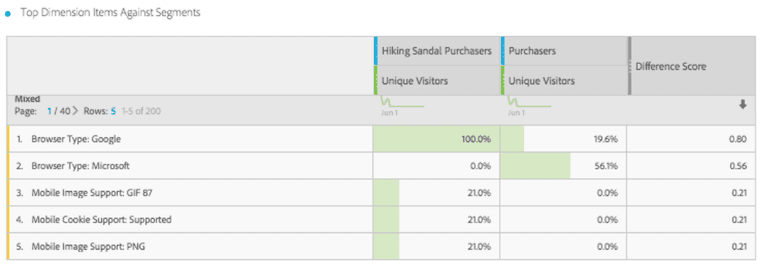
Segment IQ: Comparison
Segment Comparison seems like a simple concept. However, when combining with the flexibility of Adobe Analytics segments builder and clever criteria, you can easily uncover new insights.
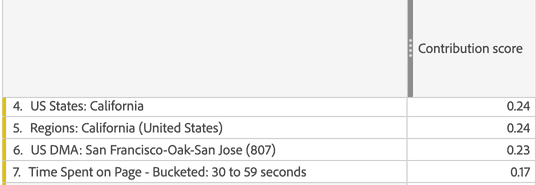
Contribution Analysis
Contribution Analysis discovers hidden patterns within your data to explain statistical anomalies and identify correlations behind unexpected customer actions, out-of-bound values, and sudden spikes or dips for selected metrics.
Adobe Target
Although Adobe Target (AT) makes use of out-of-the-box parameters, what really is going to differentiate the performance of the algorithms compared to competitors is the uniqueness of the data.
Real-time CDP
Real-Time Customer Data Platform (Real-Time CDP) helps companies bring together known and anonymous data from multiple enterprise sources.
Conclusion
The future of AI/ML-driven personalisation depends on today's investment in comprehensive, high-quality data collection. Organisations that prioritise this foundation will be best positioned to unlock the full potential of these technologies.
